CALLING FOR A FUTURE OF COMPASSION AND SUSTAINABILITY AT THE COP28.
Bringing an Indian animal-rights, climate, and food-systems lens to global climate dialogue
Aprajita’s presence at the United Nations Climate Change Conference marked an important moment for India’s growing movement for animals, climate justice, public health, and sustainable food systems.
At COP, Aprajita Ashish emerged as one of the Indian voices calling attention to a critical but often overlooked climate issue: the role of animal agriculture in the climate crisis, biodiversity loss, public health concerns, and food-system inequality. Her presence helped carry the concerns of India’s animal protection, vegan, and climate-conscious communities into international conversations where the future of food, sustainability, and environmental responsibility is being shaped.
From India’s grassroots animal rights and environmental movement to the global climate stage, the message was clear: climate action cannot be complete without rethinking our relationship with animals, food systems, and the choices that shape the planet.
COP28: Calling for a Future of Compassion, Climate Justice, and Sustainable Food Systems
At COP28, Aprajita' continued her work to bring food systems, animal ethics, and environmental responsibility into the centre of climate conversations. The team advocated for a transformative shift towards plant-based food systems as an essential part of building a more sustainable and compassionate future.
Her presence at COP28 reflected a growing recognition that climate change is not only an energy issue, but also a food systems issue that is deeply connected to land use, biodiversity, public health, water, emissions, and justice for animals.
A key focus of the campaign was the presentation of the report “Safe & Just: The Vegan Donut Economics Approach to Food Systems.” Inspired by Kate Raworth’s Donut Economics model, the report highlights the urgent need to transform global food systems in a way that stays within planetary boundaries while protecting the dignity, health, and wellbeing of all beings.
The report draws attention to the interconnected crises of climate change, biodiversity loss, social inequity, and animal exploitation. It proposes a shift towards plant-based diets and food systems as a powerful response to these overlapping challenges.

One of the Indian voices bringing animal rights, veganism, and climate responsibility into global climate spaces
Aprajita @ COP28
Aprajita Ashish’s presence at COP28 placed an Indian animal-rights and environmental lens within one of the world’s most significant climate forums.
As an Indian advocate working at the intersection of animal rights, climate justice, veganism, and public health, Aprajita brought forward a perspective that is still underrepresented in mainstream climate discussions: that animal agriculture and food choices must be addressed as part of any serious climate solution.
At COP28, this perspective was carried into conversations around food systems, climate action, and the urgent need to move towards plant-based alternatives.


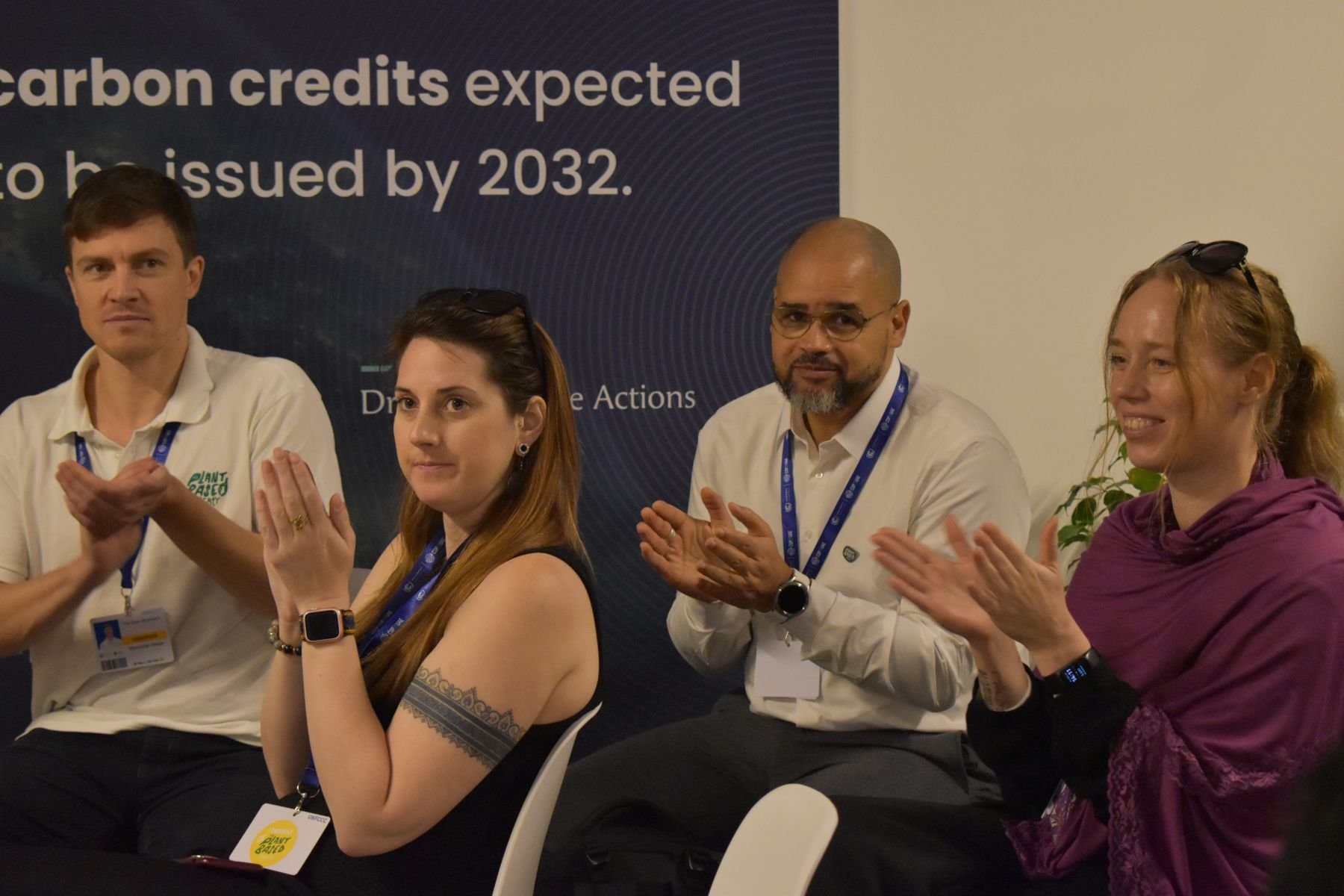
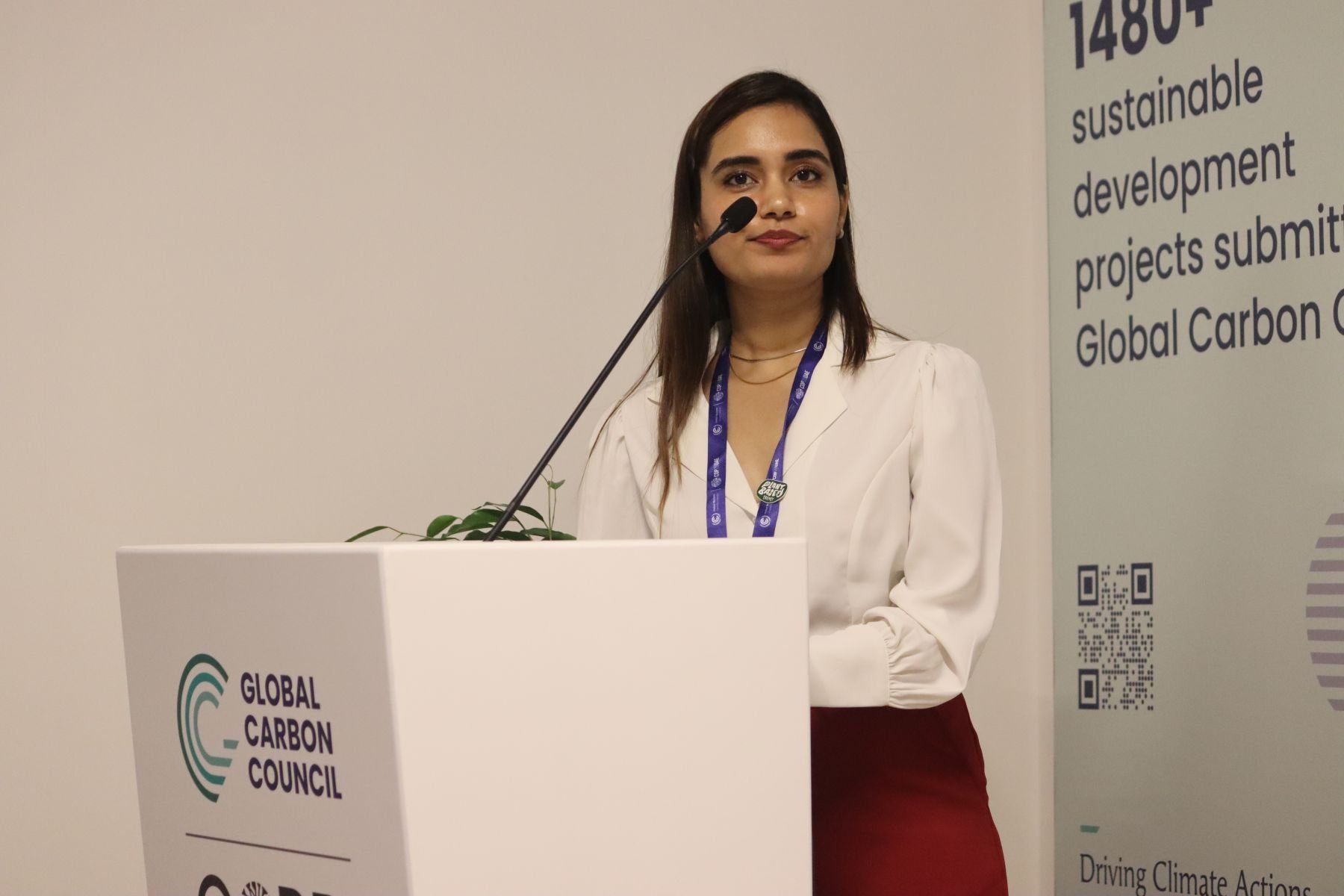


Our footprint at the COP27
Taking India’s animal-rights and climate message to one of the world’s highest climate forums
COP27 in Egypt marked a significant step in bringing India’s animal rights, climate, and plant-based food systems message into global climate spaces.
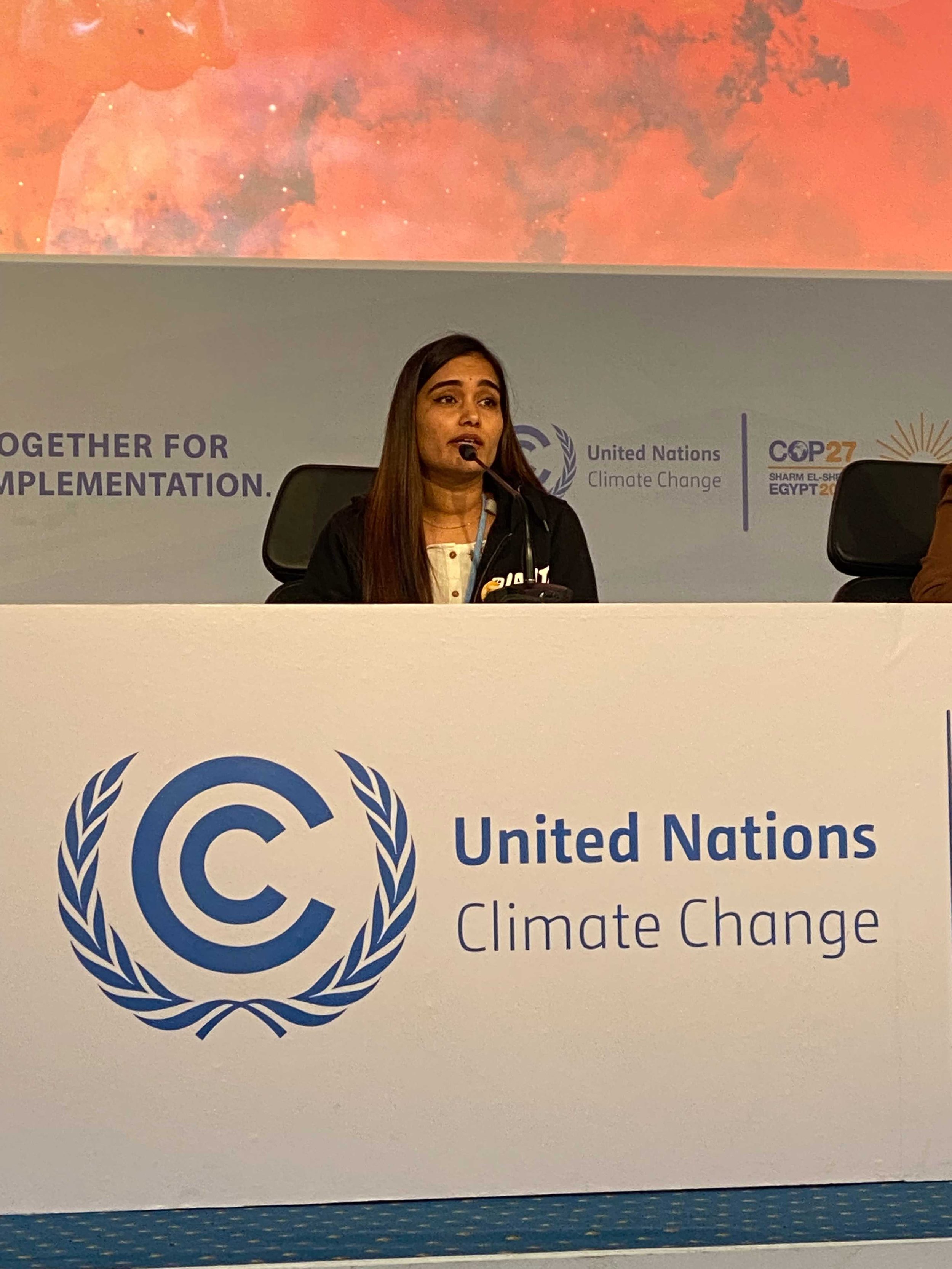
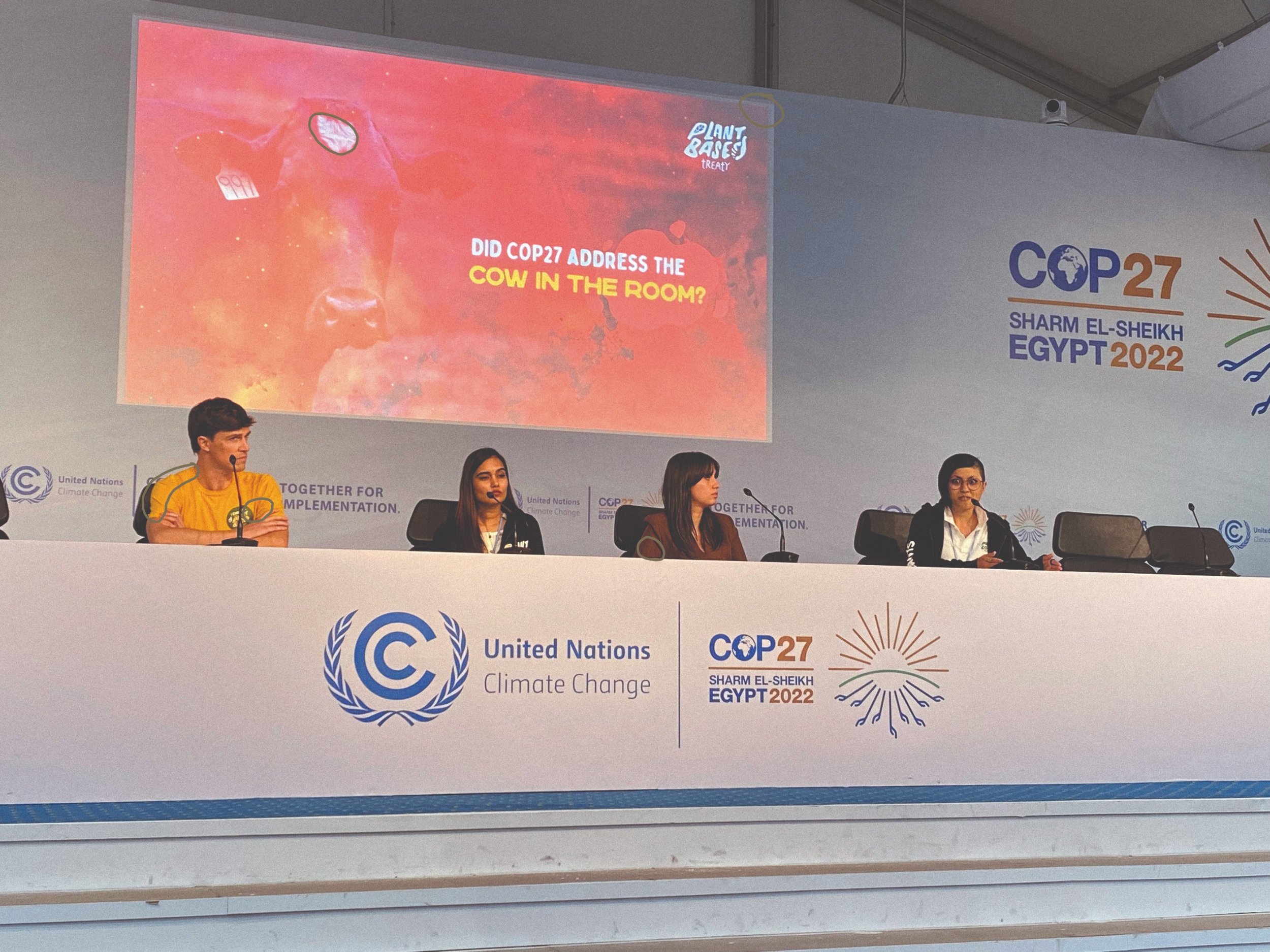
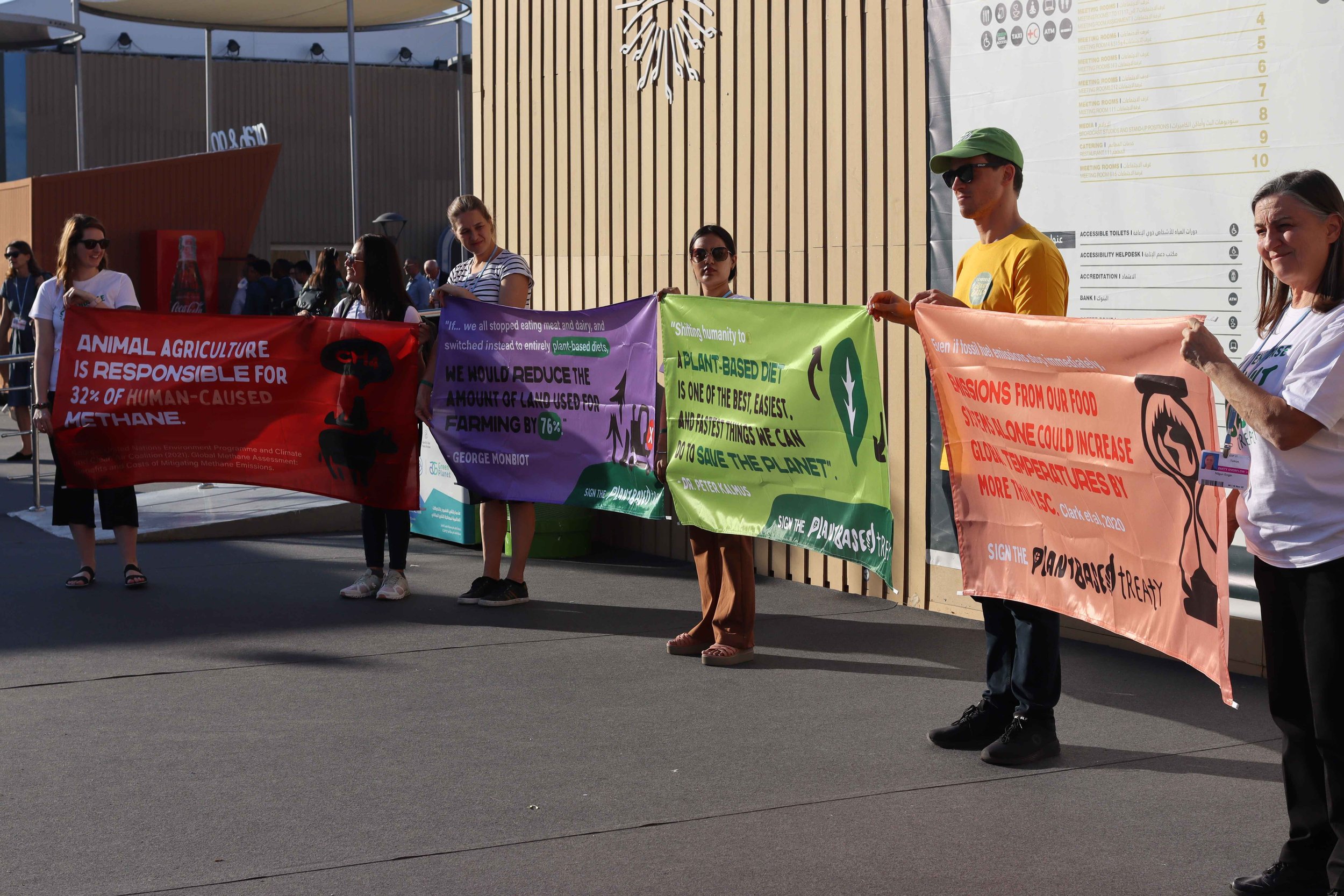
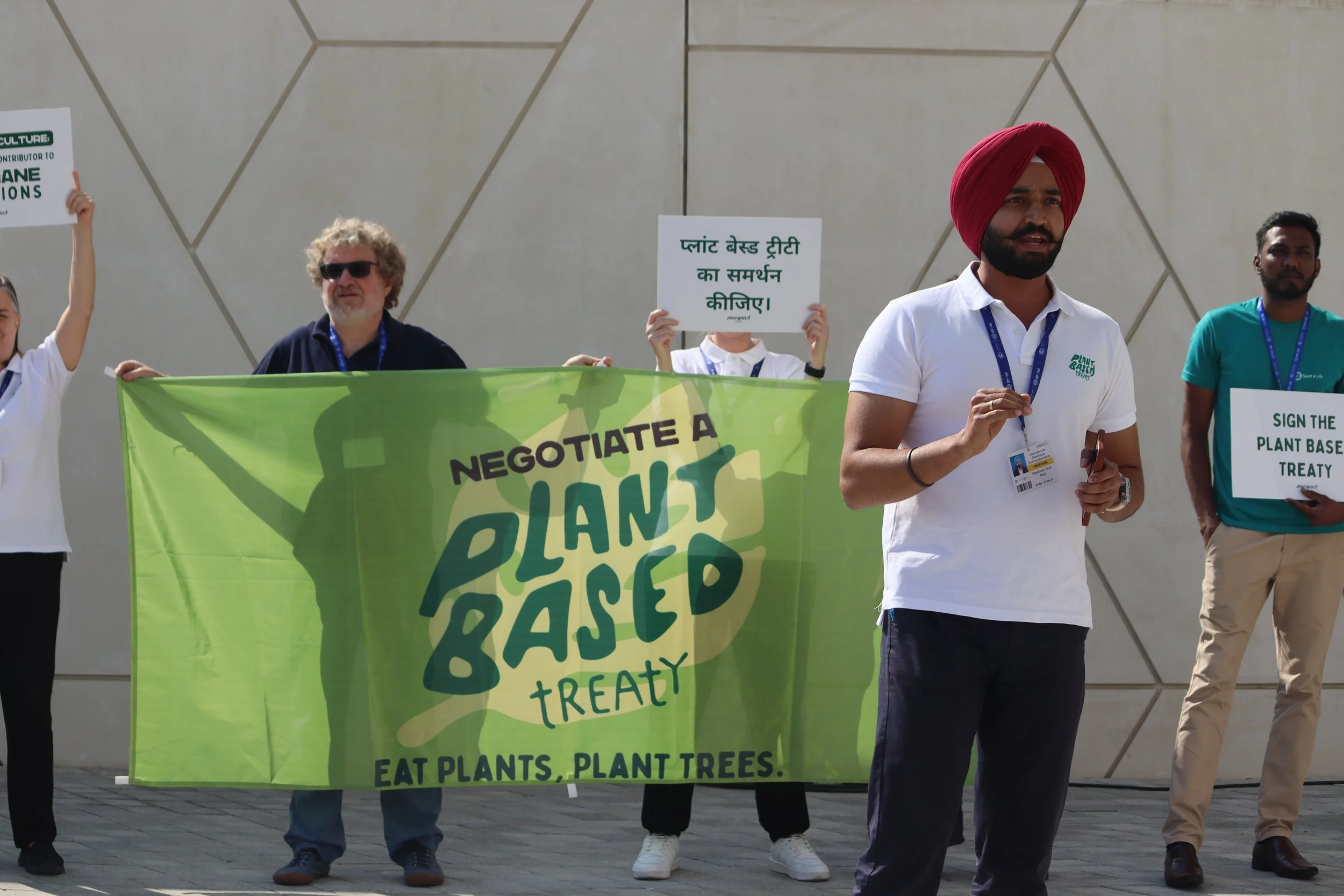
Aprajita Ashish attended COP27 as part of a team engaging with climate leaders, delegates, institutions, and changemakers from across the world. Animal Save India participated in climate forums, discussions, and panels at the summit, contributing to conversations on climate responsibility, food systems, sustainability, and the urgent need to transition towards plant-based living.
During the summit, Aprajita spoke about the organisation’s collective mission and vision with officials from the United Nations, international delegates, policymakers, and plant-based food and lifestyle brands. The team also met India’s environment minister at the summit, using the opportunity to bring attention to the connection between animal agriculture, climate change, and the need for sustainable food systems.
With chapters and outreach efforts across India, Animal Save India has worked to build awareness through workshops, food distribution, public education, campaigns, and on-ground activism. The organisation’s work continues to connect everyday choices with larger issues of animal justice, environmental protection, and public health.
“The best time to worry about climate was yesterday. While still, a majority of the public does not know that animal agriculture contributes maximum to the depletion of climate and the ecosystem, we strive to educate everyone about the importance of switching to a plant-based lifestyle.”
— Aprajita Ashish