
From Tradition to Transformation
Supporting a Monastery in Bhutan in becoming Fully Plant-Based
A structured, community-driven initiative that brought together compassion, health, and sustainability, leading to a permanent dietary shift.
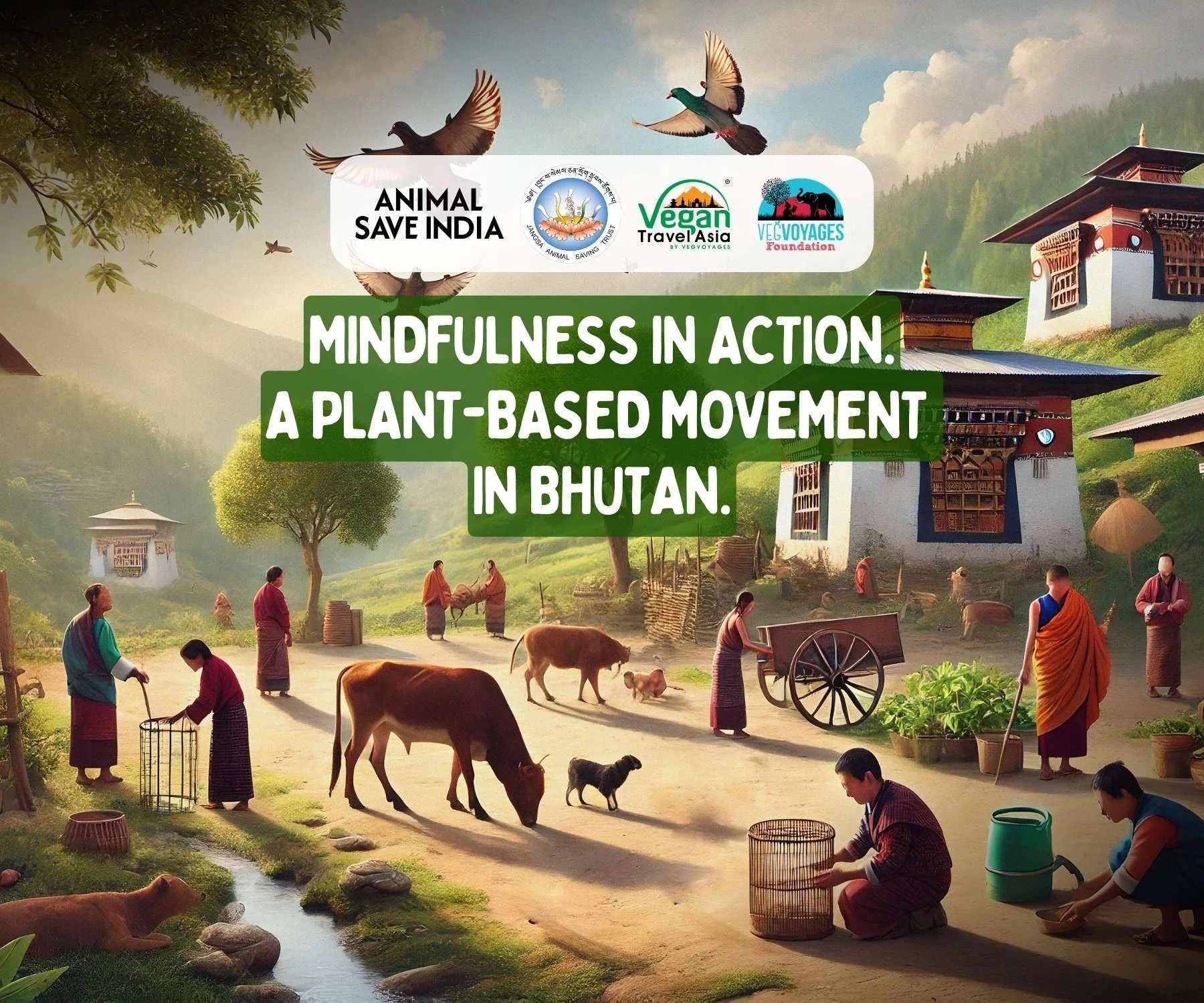
The monks at Pema Yoedling Monastery in Bhutan wanted to take the challenge of transforming the monastery to a plant-based one. A month-long guidance led to a lasting change in lifestyle. What began as a guided journey evolved into a complete system shift, demonstrating that even deeply rooted institutions can adopt sustainable, compassionate food systems.
IMPACT SNAPSHOT

Monastery transitioned to plant-based system

Month-long structured intervention

Personalised nutrition support for participants

On-site tofu and soy milk production initiated

Demand generated across local institutions
5+
people trained to continue vegan education
100+
people served vegan meals
5
×
times a day
Bridging Tradition and Sustainable Nutrition
Monastic communities follow deeply rooted dietary traditions. Any transitioning requires addressing nutritional balance, cultural acceptance, accessibility in a remote setting, and long-term sustainability.
The program addressed all these.
The goal was not just to change food, but to enable a smooth and practical transition without disrupting existing systems.
The initiative was rooted in the Buddhist principle of non-violence, connecting everyday food choices with the First Precept and encouraging participants to reflect on how vegan living could align with values already central to monastic life.
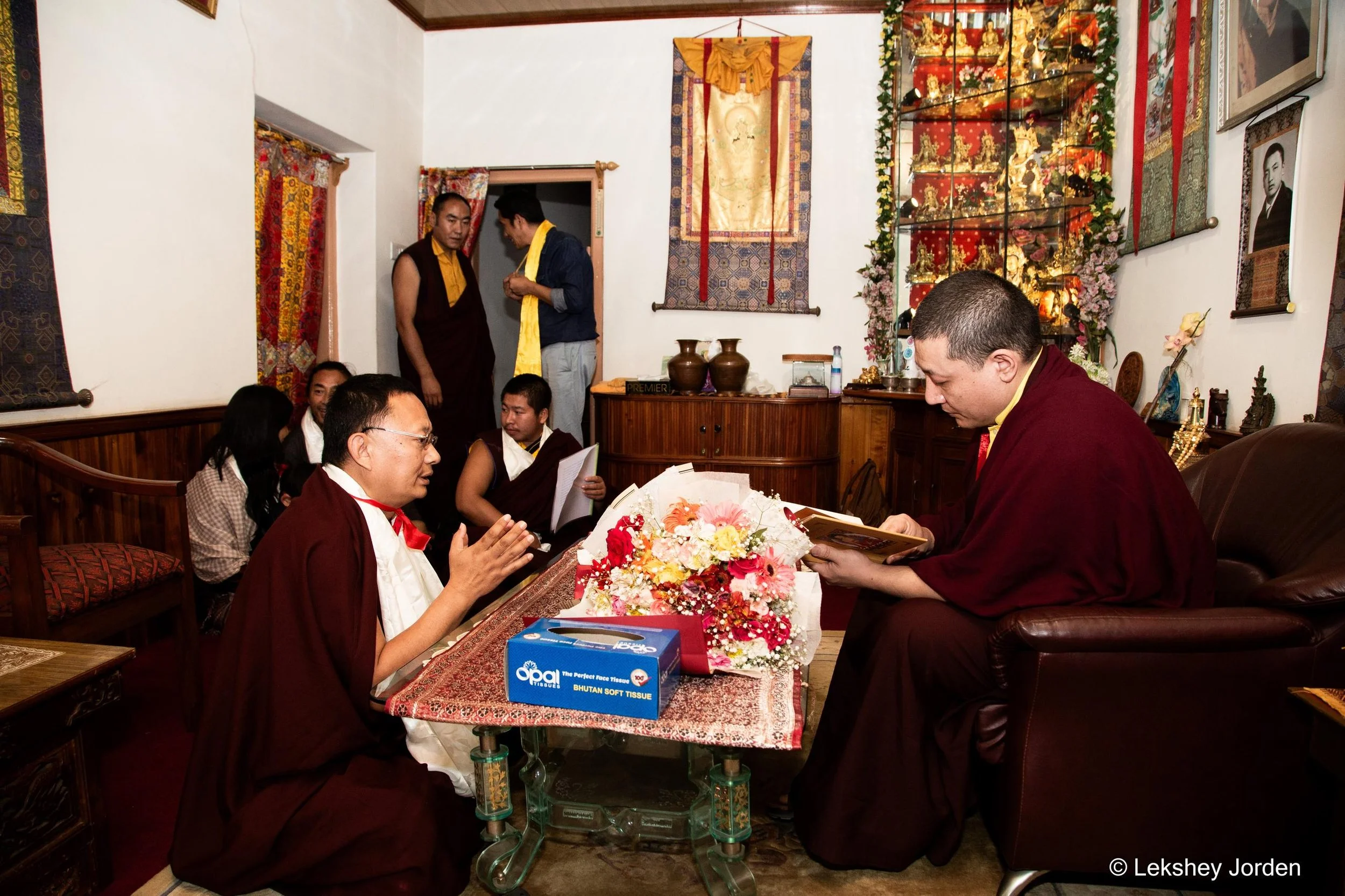
Through a Transition Programme
The initiative was spearheaded by

Jangsa Animal Save
Animal Climate and Health Save Foundation
and supported by
VegVoyages Foundation and Vegan Travel Asia
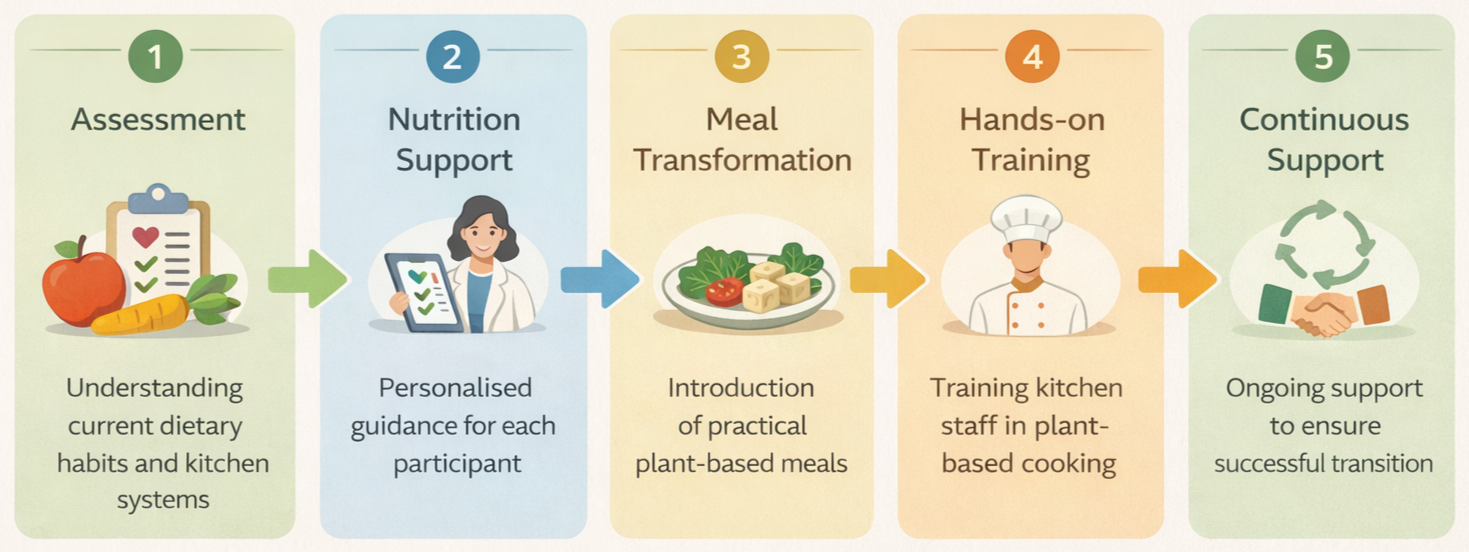
The programme focused on replacing traditional meals with plant-based alternatives, introducing locally viable and nutritious recipes, and aligning food choices with values of compassion, sustainability, and health.
Structured to their needs
The programme was carefully structured after evaluating the monastery’s dietary needs, their traditional foods and a one-on-one personalised guidance by dietician and nutritionist Shweta Giridhar Bhajbhuje.
Beyond the Plate
The transition was supported through vegan potlucks, documentary screenings, culinary demonstrations, dietitian consultations, mindfulness activities and interactive educational sessions, creating multiple opportunities for discussion, learning and participation.
Impact extended beyond the monastery
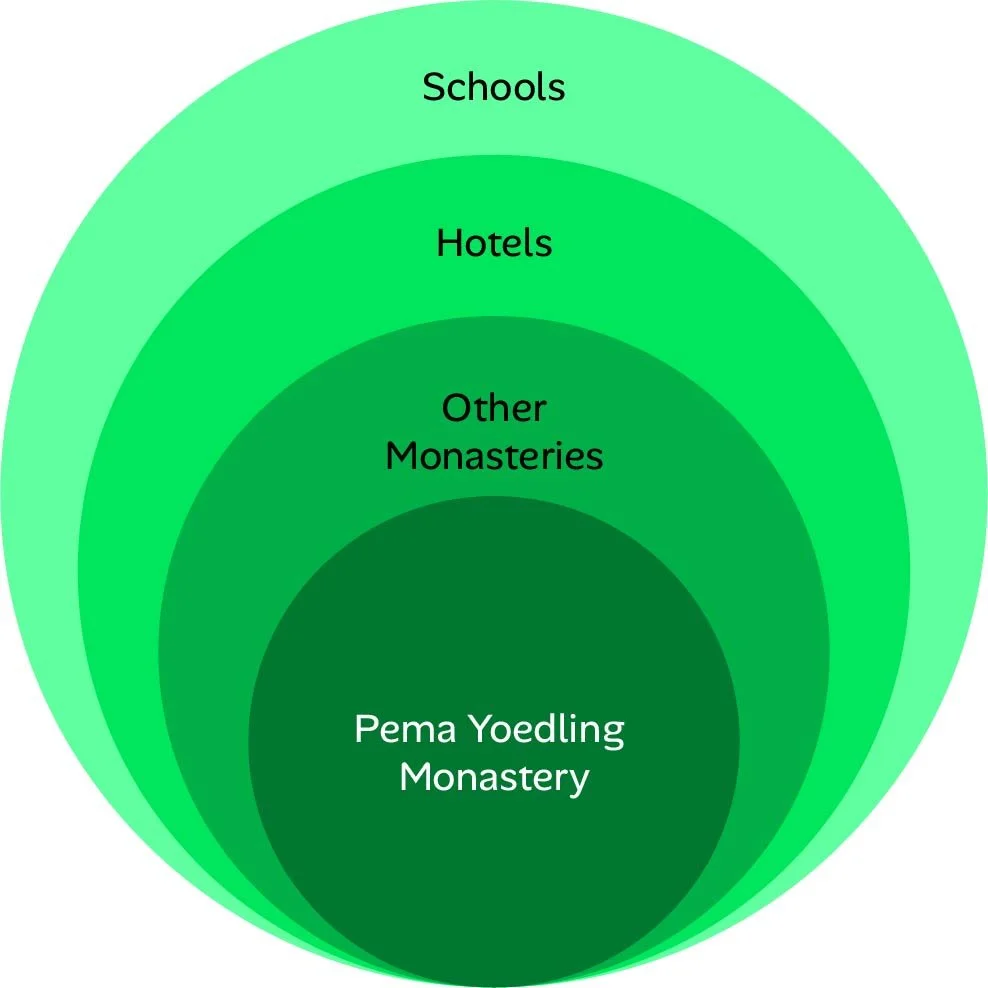
The initiative created a ripple effect across the region:
Interest from regional monastic leadership in adopting plant-based food systems
A local hotel association pledging to introduce a monthly “Vegan Day”
Schools and institutions expressing interest in sourcing plant-based products
This reflects a broader shift from individual adoption to community-level transformation.
Result? Plant-based diet was adopted by the monastery for long-term!
The initiative resulted in the monastery fully adopting a plant-based diet beyond the duration of the programme. Participants responded positively to the transition, demonstrating that plant-based systems can be practical, affordable, and sustainable.
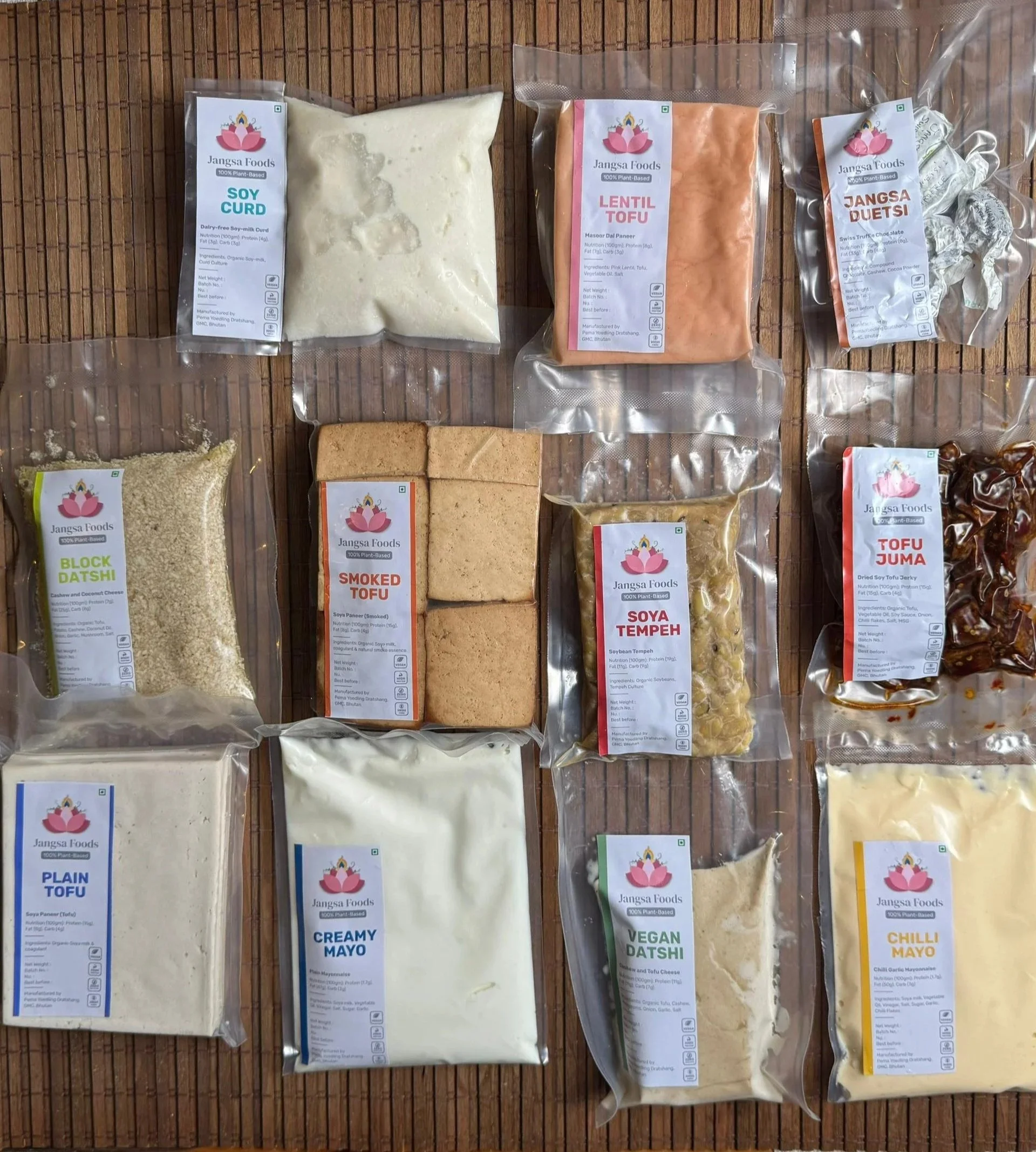
The monastery also began producing its own tofu and soy milk, marking a shift towards self-reliance.
89+
63 monks and 26 external participants ready for plant-based adoption
1500+
community members engaged
150+
students educated during the camp
Marking 1st
soy production facility in Gelephu
180 L
per hour of soy milk production
The monastery followed a self-sustaining model
To ensure long-term sustainability, a tofu-making machine was installed at the monastery.
The monastery now produces tofu and soy milk and started supplying these products to nearby areas. This has created a model that supports both economic sustainability and wider adoption within and around the community.
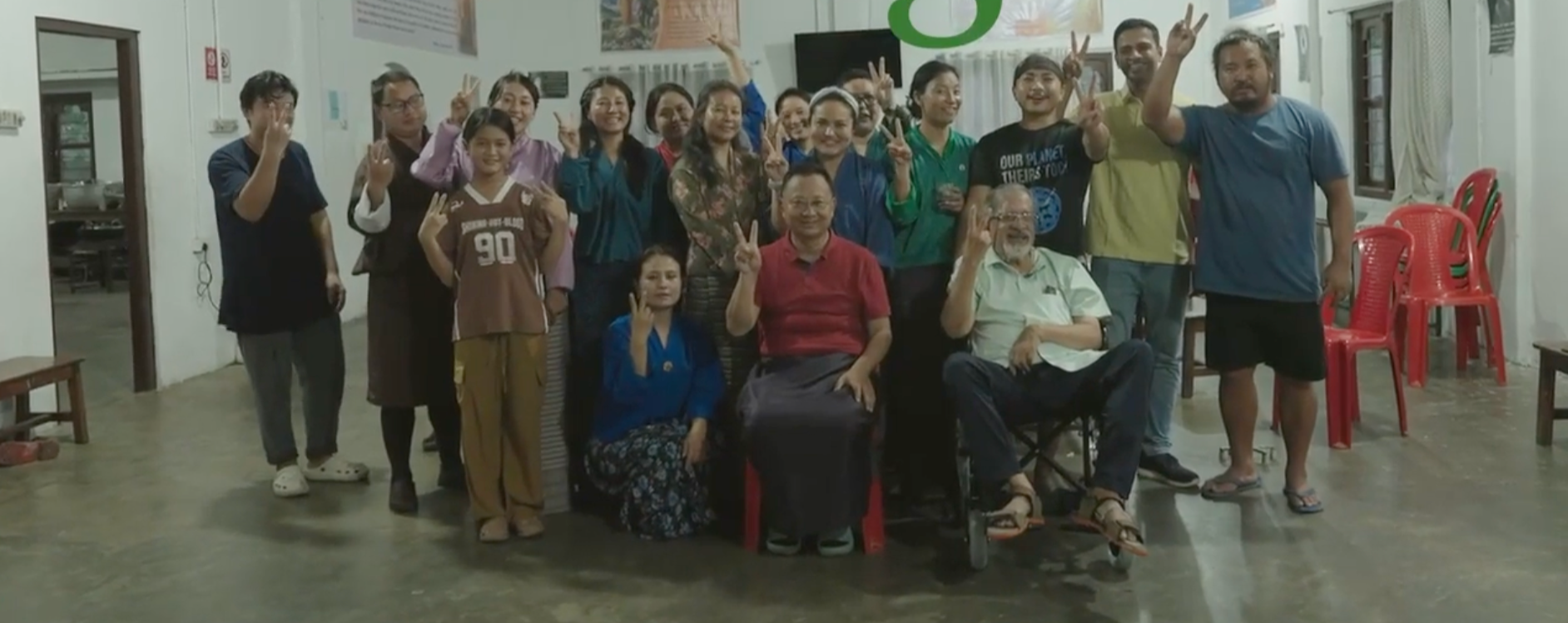
“Every small detail was thoughtfully executed. We're thrilled with the outcome.”
— A participant from the program
Further developments and expansion
Recent Development (India):
Jangsa Dechen Choling Monastery (Thongsa Gomba), Kalimpong (West Bengal), under Lama Kunzang Dorjee, has initiated this transition.
In November 2025, our team with Vegan travel Asia and Veg voyages foundation conducted :
Nutrition awareness sessions
Health check-ups
Training on plant-based kitchen systems
Linking food choices with health and non-violence
What changed?
Permanent institutional transition
Internal food capacity strengthened
5 Local leaders developed
Plant-based production infrastructure established
Wider institutional interest emerged
Why this model works?
Structured + Easy to Implement
Supported with nutritional guidance
Scalable across institutions
Adaptable to traditional systems
Designed for long-term sustainability